$ sudo apt-get install musescore Reading package lists... Done Building dependency tree... Done Reading state information... Done The following additional packages will be installed: libportmidi0 musescore-common musescore-general-soundfont-small qml-module-qt-labs-folderlistmodel qml-module-qt-labs-settings qml-module-qtgraphicaleffects qml-module-qtqml qml-module-qtqml-models2 qml-module-qtquick-controls qml-module-qtquick-dialogs qml-module-qtquick-layouts qml-module-qtquick-privatewidgets qml-module-qtquick-window2 qml-module-qtquick2 The following NEW packages will be installed: libportmidi0 musescore musescore-common musescore-general-soundfont-small qml-module-qt-labs-folderlistmodel qml-module-qt-labs-settings qml-module-qtgraphicaleffects qml-module-qtqml qml-module-qtqml-models2 qml-module-qtquick-controls qml-module-qtquick-dialogs qml-module-qtquick-layouts qml-module-qtquick-privatewidgets qml-module-qtquick-window2 qml-module-qtquick2 0 upgraded, 15 newly installed, 0 to remove and 15 not upgraded. Need to get 43.7 MB of archives. After this operation, 87.8 MB of additional disk space will be used. Do you want to continue? [Y/n]
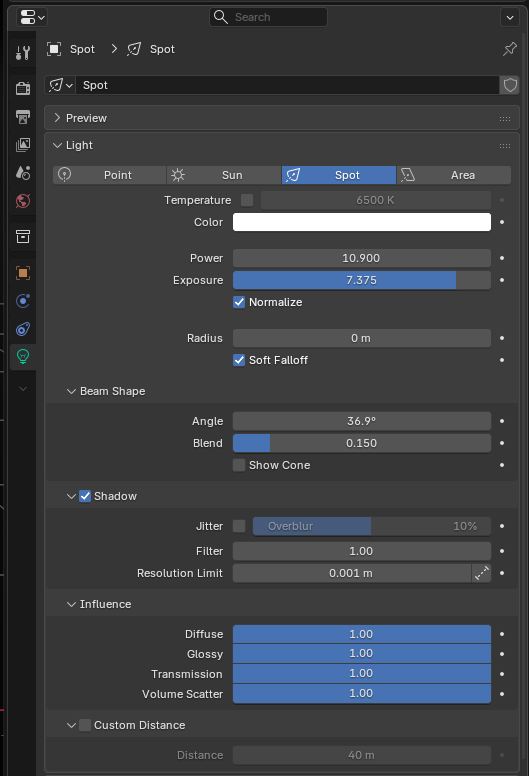
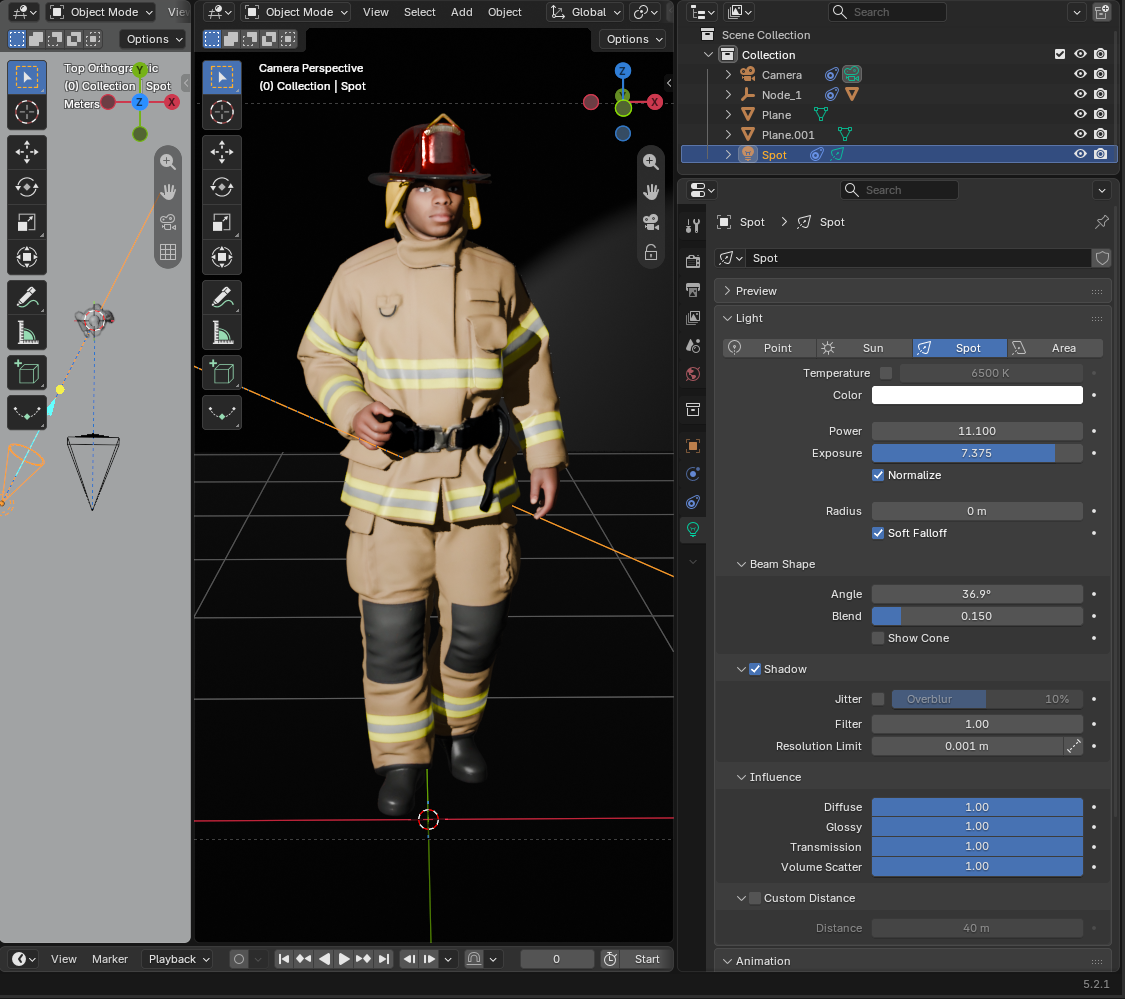
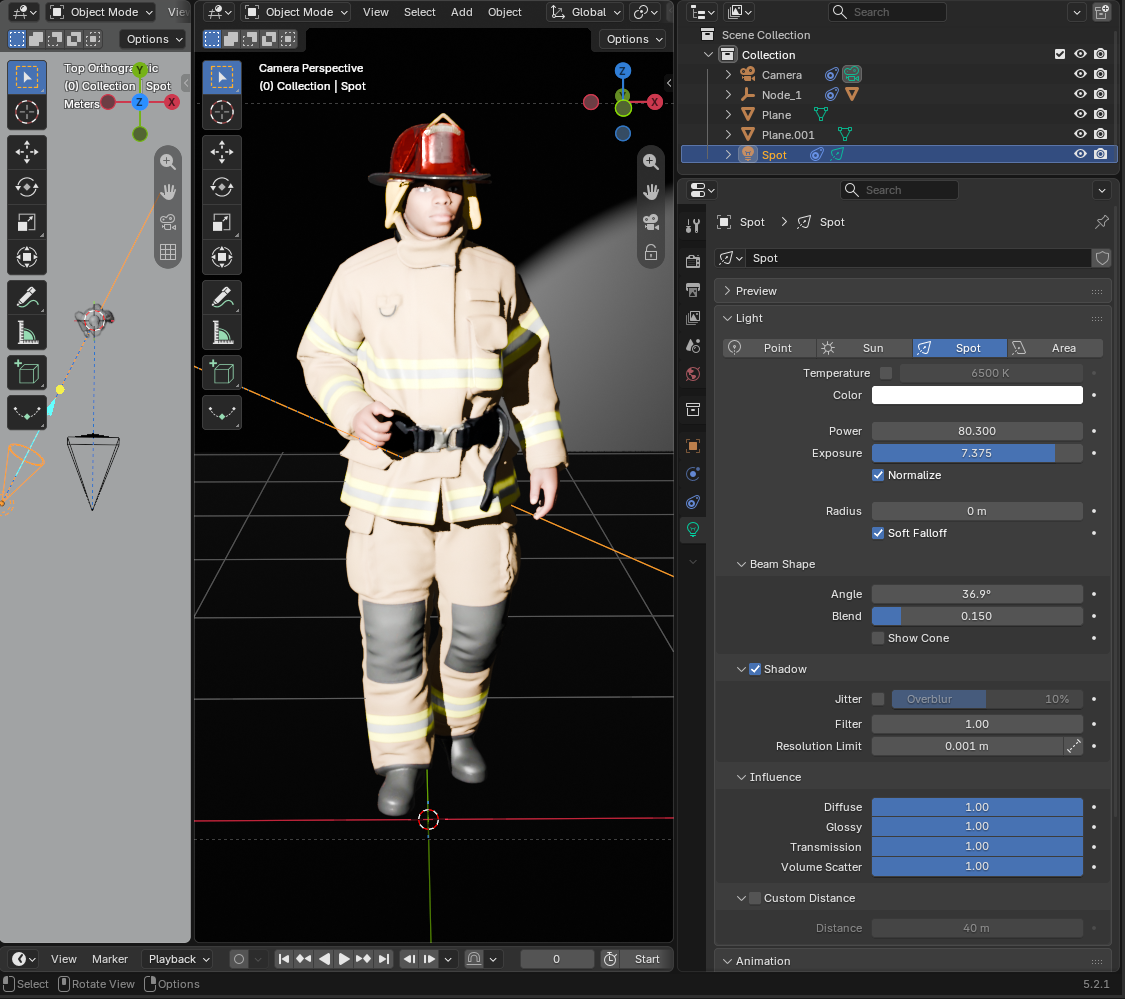
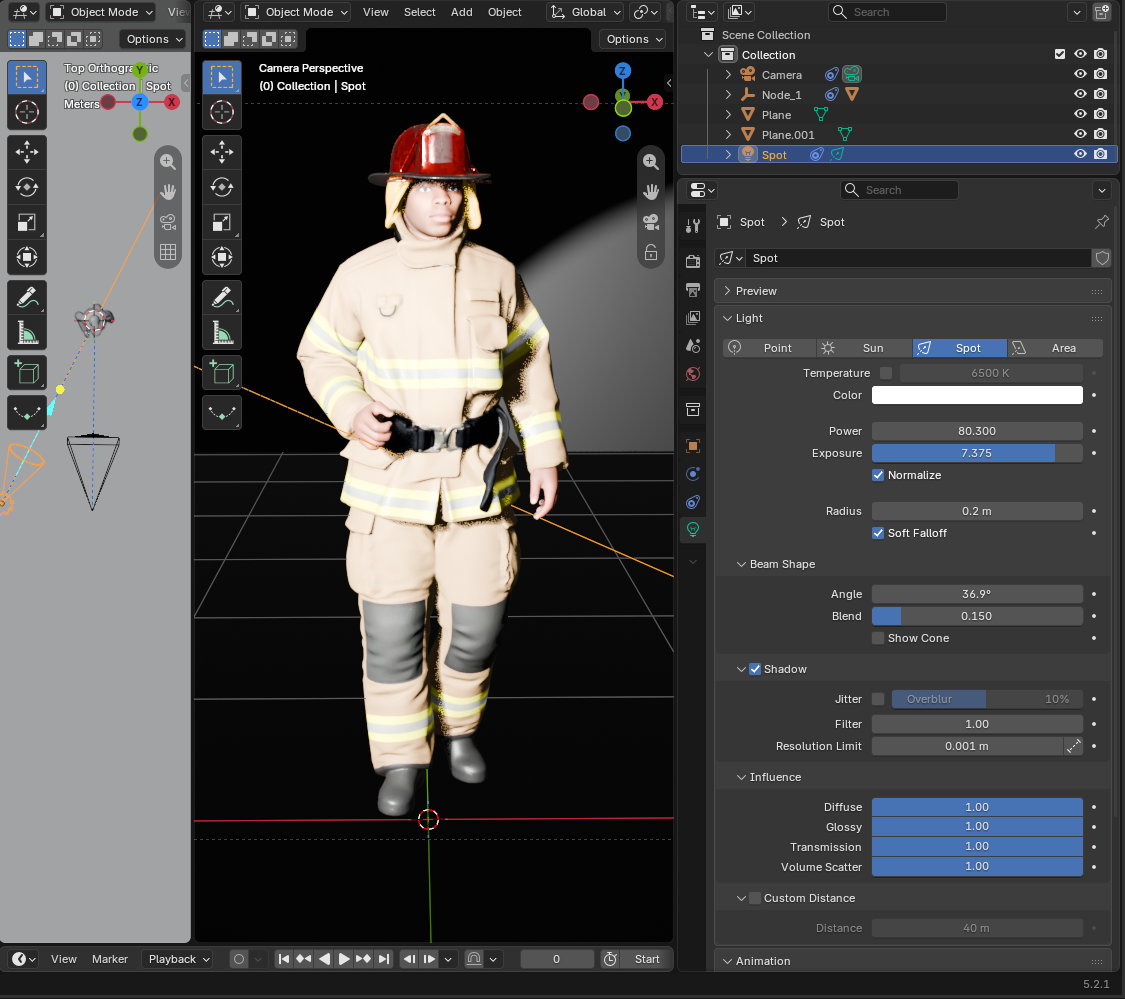
energy는 power에 대응되는것 같고, shadow_soft_size는 radius에 대응되는것 같다.
아 쫌 용어 통일하라고 ㅠㅠ api에 맞추던가 아니면 api를 ui에 맞추던가!
energy The energy this light would emit over its entire area if it wasn’t limited by the spot angle, in units of radiant power (W) (in [-inf, inf], default 10.0)
shadow_soft_size Light size for ray shadow sampling (Raytraced shadows) (in [0, inf], default 0.0)
spot_size Angular diameter of the spotlight beam (in [0.0174533, 3.14159], default 0.785398)
spot_blend The softness of the spotlight edge (in [0, 1], default 0.15)
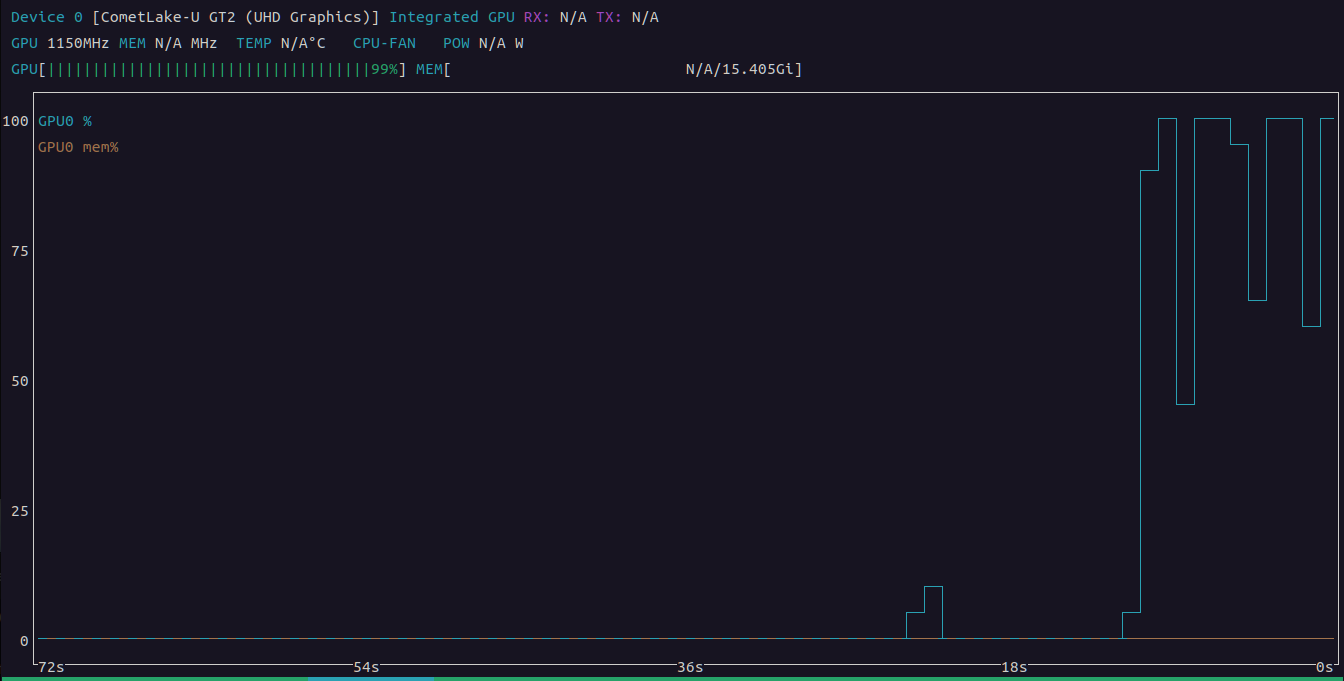
CPU Rendering Being a rasterization engine, EEVEE only uses the power of the GPU to render. There is no plan to support CPU (software) rendering as it would be very inefficient. CPU power is still needed to handle high scene complexity as the geometry must be prepared by the CPU before rendering each frame.
그럼 esp32 들을 64x64 로 나누어서 대형 스크린으로 하거나, 스케일링해서 그 이상의 해상도로 출력하는걸려나?
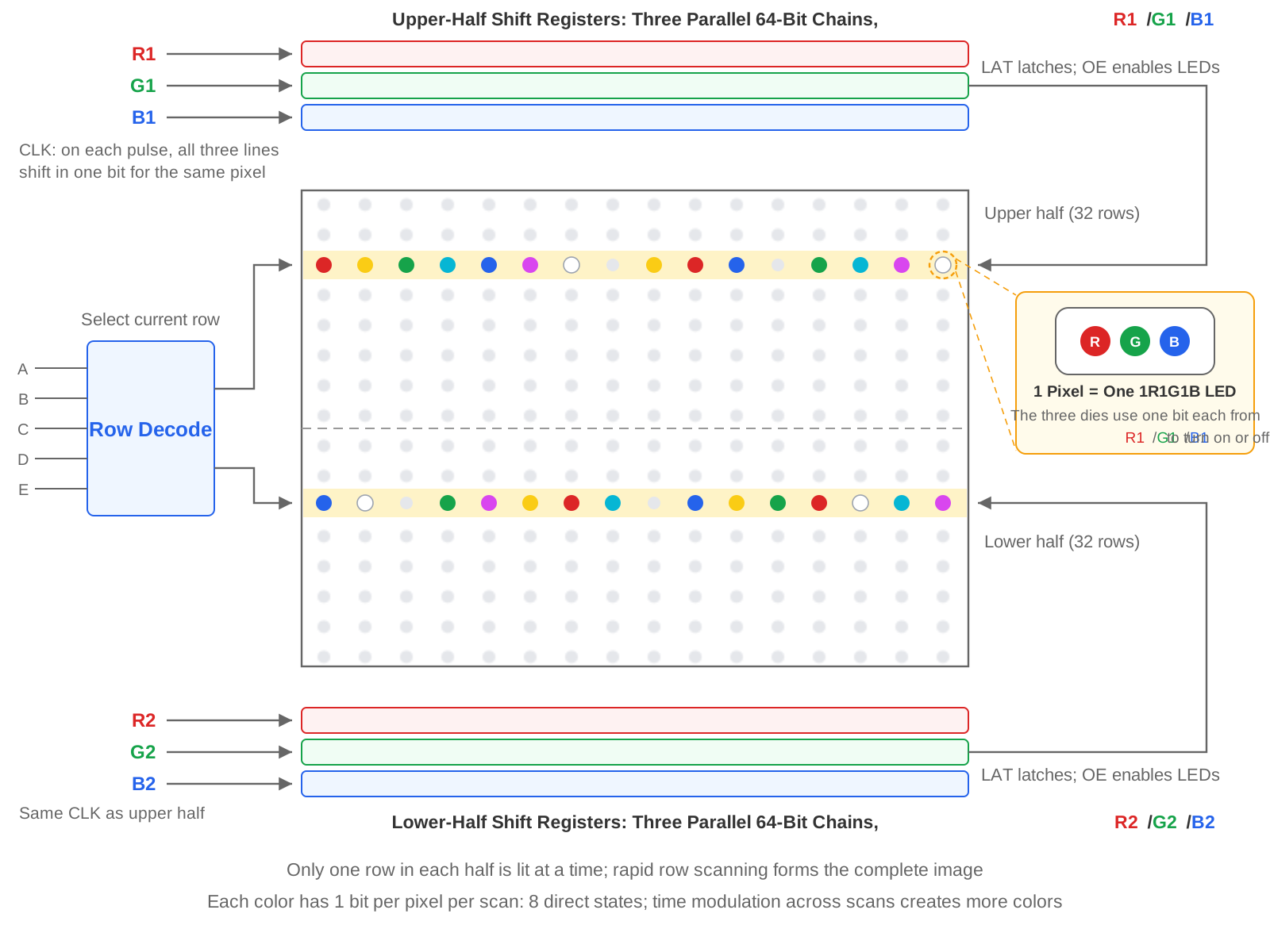
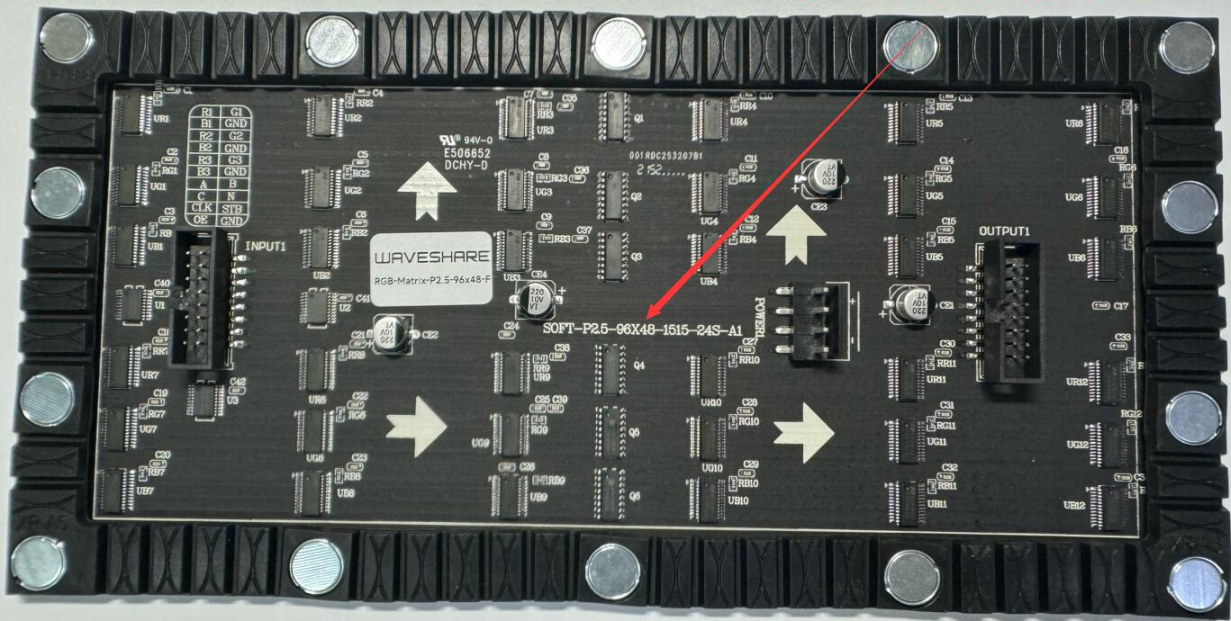
The large number of pixels makes it impractical to wire each pixel separately—a 64×64 display has 4096 pixels and 12288 light-emitting dies. An LED matrix therefore usesrow/column scanning and shift registers, which is also the operating principle of the HUB75 interface:
USB 아이소크로노스 고대역폭(High-Bandwidth Isochronous) 전송은 오디오, 비디오, 웹캠처럼 데이터가 끊기지 않고실시간성(Time-critical)이 보장되어야 하는 장치를 위해,하나의 서비스 주기(Microframe) 내에서 여러 개의 데이터 패킷을 연속으로 전송하여 대역폭을 극대화하는 기술입니다.[1,2]
USB 엔드포인트(Endpoint) 설명자와 하드웨어 수준에서 설계된 이 방식의 핵심 원리와 동작 방식은 다음과 같습니다.
1. 고대역폭 아이소크로노스의 핵심 원리
일반적인 USB 2.0 High-Speed 모드에서 아이소크로노스 엔드포인트는 1 마이크로프레임(Microframe = 125µs)마다최대 1개의 데이터 패킷(최대 1024 바이트)만 전송할 수 있습니다.[1,2]
하지만 고화질 비디오 스트리밍처럼 1024바이트를 초과하는 대역폭이 필요할 때고대역폭 엔드포인트를 활성화합니다.[1]
추가 트랜잭션 요청:단일 마이크로프레임 내에서 최대 2개의 패킷을 추가로 더 요청할 수 있습니다.[1]
대역폭 확장 수치 (USB 2.0 High-Speed 기준):
00 (기본): 마이크로프레임당 1개 패킷 (최대 1,024 바이트)
01 (1개 추가): 마이크로프레임당 2개 패킷 (최대 2,048 바이트)
10 (2개 추가): 마이크로프레임당 3개 패킷 (최대3,072 바이트)
2. 엔드포인트 기술 사양 (Descriptor 사양)
펌웨어나 USB 컨트롤러 드라이버 레벨에서 고대역폭을 활성화하려면 엔드포인트 디스크립터(Endpoint Descriptor)의wMaxPacketSize필드의 상위 비트를 수정해야 합니다:[1]
Bit 10 ~ 0:기본 패킷 크기를 지정합니다 (예: 1024 크기면 0x400).[1,2]
Bit 12 ~ 11:마이크로프레임당 추가 전송 기회를 설정합니다.
01 : 마이크로프레임당 2번 전송 (비트 추가)
10 : 마이크로프레임당 3번 전송 (비트 추가)
3. USB 3.0(SuperSpeed) 이상에서의 확장
USB 3.0 SuperSpeed 이후부터는 구조가 더욱 확장되어 고대역폭 아이소크로노스를버스트(Burst) 전송과Mult(Multiplier)개념으로 처리합니다.[1,2,3]
이론상 최대 전송량:SuperSpeed에서는 단일 주기 내에서 최대 16개의 버스트 크기와 3개의 Mult를 조합하여 1024 바이트 × 16 × 3 = 49,152 바이트를 한 주기에 쏟아부을 수 있습니다.[1]
이를 통해 UHD(4K/8K) 카메라나 비압축 고화질 영상 캡처 장비도 지연 없이 안정적으로 데이터를 밀어줄 수 있습니다
4. 주요 특징 및 주의사항
에러 재전송 없음 (No Retries):벌크(Bulk) 전송과 달리 데이터에 CRC 에러가 발생해도 다시 보내지 않고 다음 패킷으로 넘어갑니다. 데이터의 무결성보다정해진 시간에 데이터가 도착하는 시간적 연속성이 훨씬 중요하기 때문입니다.[1,2,3,4,5]
대역폭 예약제:호스트 컨트롤러는 아이소크로노스 전송을 위해 전체 USB 대역폭의 일정 비율(최대 80~90%)을 미리 고정으로 묶어둡니다.[1]
대역폭 부족 오류 (Bandwidth Error):여러 대의 고대역폭 웹캠을 하나의 USB 허브에 물리거나, 하나의 호스트 컨트롤러에 고대역폭 아이소크로노스 장치를 동시에 여러 개 연결하면"USB 대역폭 초과"에러가 발생하며 장치 인식이 되지 않을 수 있습니다. 이 경우 기기 드라이버에서 대체 설정(Alternative Setting)을 통해 요구 대역폭을 낮추거나 별도의 USB 컨트롤러에 분산 연결해야 합니다.[1]